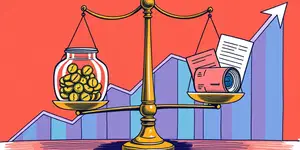
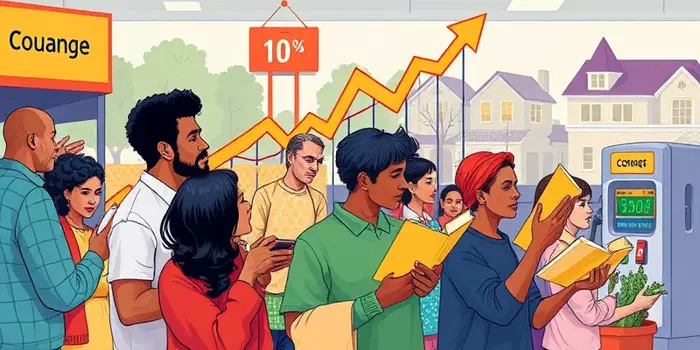
Inflation is more than prices going up; it’s the rate at which the general price level rises over time. Grasping its true meaning and its varied impact across different households, sectors, and regions empowers you to navigate economic challenges with confidence.
At its core, inflation is a broad and sustained price increase across an economy. It is typically expressed as a percentage change over a specific period, most commonly year over year.
If an index moves from 100 to 110, we say inflation is 10%. A drop from 8% to 3% means prices still rise, but more slowly. When inflation hits zero, the average price level is stable; individual prices can still fluctuate. Persistent declines signal deflation.
It’s important to distinguish general inflation from one-time shocks. A sudden jump in fuel costs is a relative-price shock, not broad inflation—unless it spreads through wages, expectations, and business pricing, becoming embedded in economic behavior.
Inflation is not directly observed; it is derived from constructed price indexes. Economists select a representative basket of goods and services, weight them by spending patterns, and calculate percentage changes over time.
Each index has strengths and limitations. CPI is timely but average-focused; PCE adjusts for substitutions; the GDP deflator is broad but slower; PPI flags upstream cost shocks.
Headline inflation includes all categories, even volatile food and energy. It reflects what households actually pay but can mask underlying trends. Core inflation excludes those sectors to highlight persistent price pressures.
While core inflation unveils underlying price dynamics, it may understate the real impact on budgets when energy and food costs remain elevated.
The official rate is an aggregate. Your personal inflation depends on different spending patterns and circumstances. Key factors include:
Statistical adjustments for product quality and substitutions try to account for real-world choices, but no index perfectly reflects every household’s experience.
Inflation emerges from the interplay of demand, supply, expectations, and policy. Two main types are:
Supply disruptions can morph from a relative-price event into broad inflation if wage negotiations, price-setting behavior, and long-term contracts adjust upward.
Central banks and governments wield tools to manage inflation, each with trade-offs. Raising interest rates can cool demand but may slow investment and increase unemployment. Fiscal tightening reduces stimulus but can curb growth.
Policy credibility and clear communication shape inflation expectations over time. If households and firms believe the central bank will restore price stability, wage and price-setting behaviors align with targets.
Trade-offs include:
Balancing these considerations is critical in a landscape marked by evolving commodity markets, demographic shifts, and technological change.
While policy actions shape the broader environment, individuals can take steps to protect their finances. Focus on:
Staying informed about inflation indexes, policy decisions, and expected trends can help you make proactive financial choices. Remember that periods of high inflation eventually give way to stability if managed effectively, just as periods of deflation require targeted stimulus to restore growth.
By looking beyond the headline figures and understanding the wider economic perspective, you can build resilience in your personal finances and contribute to a more informed public dialogue about inflation’s true nature.
References