
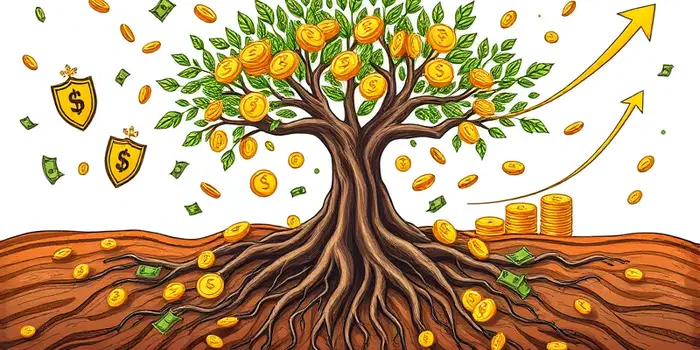
Building lasting prosperity goes beyond earning a generous paycheck. It requires a coordinated process of wealth generation that combines mindful earnings, disciplined saving, strategic protection, and smart investing. This in-depth guide unveils a five-layer system designed to help you transform income into sustainable wealth, enhance financial resilience, and secure your long-term goals.
Your journey starts with understanding that high income does not guarantee wealth. True growth depends on the percentage of income you retain, the quality of the assets you acquire, and the power of compounding over time.
The first layer focuses on maximizing your capacity to generate income. Investing in human capital through skills development often yields higher returns than small portfolio gains.
A significant salary boost can create a much larger investable surplus than modest returns on small capital. However, without disciplined saving, higher earnings may simply fuel lifestyle inflation.
Turning earnings into investable capital requires strict expense management. Track every dollar to ensure spending aligns with your objectives.
Key practices include:
A practical metric is the savings rate, calculated as total savings and investments divided by after-tax income. Targets will vary based on age, family size, housing costs, and retirement goals. Choose a pace that feels challenging but sustainable.
Before pursuing aggressive growth, build a protective foundation. A well-designed safety net preserves gains and guards against unexpected setbacks.
Emergency reserves are critical. Aim for three to six months of essential expenses, adjusting for job stability, health risks, and the number of earners in your household. A robust fund prevents high-interest borrowing and forced asset sales during downturns.
Insurance is another vital tool. Consider policies for health, disability, life, property, and liability to shield your surplus from catastrophic losses.
Finally, maintain clear estate and contingency plans: beneficiary designations, wills, powers of attorney, and business succession arrangements. These measures ensure smooth transitions and protect your legacy.
Debt can be an accelerant or an anchor. Use it strategically when it funds assets with credible long-term payoffs, and avoid high-interest obligations that erode capital.
Ask these questions before borrowing:
Prioritize paying down high-cost debt, such as credit cards, while maintaining a small reserve to cover emergencies without new borrowing. Remember, eliminating a 20% interest rate is comparable to a guaranteed 20% return on investment.
Investing amplifies your retained earnings, leveraging time and compounding to accelerate wealth growth. Focus on enduring principles rather than short-term market forecasts.
Compound interest means earning returns on both your principal and accumulated gains. The future value of a series of contributions can be modeled as:
FV = C × ((1 + r)^n − 1) / r, where C is the periodic contribution, r the annual return, and n the number of periods.
This hypothetical example assumes taxes and fees are excluded. Real results vary, but the illustration emphasizes how time in the market can dramatically boost outcomes.
Time is a major asset. Starting early allows contributions to compound longer and helps you weather volatility. But it’s never too late: late starters can compensate with higher savings rates, extended working years, or more deliberate retirement planning.
An investment portfolio should reflect your personal circumstances. Align your mix of stocks, bonds, and cash with your time horizon and risk tolerance.
Diversification across asset classes, sectors, and geographies reduces concentration risk. Periodically rebalance to maintain your target allocation.
Beyond traditional investments, seek assets that generate cash flow independent of additional work hours. Examples include rental real estate, dividend-paying stocks, and businesses with recurring revenue.
Evaluate prospective assets by their expected yield, growth potential, and durability under stress. Balance your portfolio to include both growth-oriented and income-focused assets.
Finally, recognize that enduring wealth stems from consistent actions, not one-off tactics. Maintain a written plan, automate processes, and review progress regularly. Controlling emotions during market swings and avoiding impulsive decisions can preserve gains and reduce regret.
By integrating these five layers—earning more, keeping more, protecting more, managing debt, and investing wisely—you can build a resilient system for sustainable wealth generation. The journey demands patience, discipline, and a holistic approach, but the rewards are lasting financial freedom and peace of mind.
References