Economic activity and climate change are deeply intertwined in a feedback loop that can either amplify destruction or unlock lasting growth. Understanding this two-way relationship is crucial for policymakers, businesses, and communities.
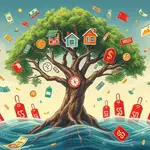
Economic production relies heavily on energy and resources, driving greenhouse-gas emissions that increase global warming and intensify extreme weather events. These climate hazards then damage infrastructure, reduce labor productivity, disrupt supply chains, and strain public finances.
Without intervention, this cycle creates destructive economic feedback loops where costs escalate and vulnerabilities deepen. However, directing investment toward low-emission resilient development can transform the loop into a virtuous cycle, generating innovation, jobs, and improved well-being.
Rising temperatures, sea levels, and extreme weather events impose a wide array of economic costs:
Physical destruction of capital erodes the stock of roads, bridges, ports, power lines, and buildings. A recent estimate found that low- and middle-income countries lose nearly $390 billion annually in infrastructure damage, with resilient alternatives costing just 3% more to build and yielding potentially high economic returns of over $4 trillion.
Heat stress and extreme conditions lower labor productivity in agriculture, construction, and outdoor services by reducing work capacity, increasing injuries, and raising absenteeism.
Agricultural yields decline under droughts, floods, and pest outbreaks, driving up food prices and undermining rural incomes. Households spend more on staples, inflation rises, and governments often must provide emergency support.
Public health suffers through heat-related illness, respiratory disease, and mental-health impacts, raising healthcare costs and shrinking the labor force.
Disrupted logistics at ports, highways, and energy networks lead to higher insurance premiums, inventory costs, and price volatility.
These pressures are magnified in developing economies with limited fiscal capacity and high exposure to climate shocks.
Balancing emission cuts and vulnerability reduction is essential. Mitigation addresses the root cause—greenhouse-gas emissions—while adaptation limits damage from unavoidable impacts.
Investments in these areas create new markets, spur innovation, and generate jobs and market opportunities that offset losses in high-emission sectors.
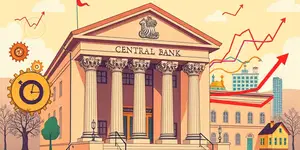
Effective policy frameworks can guide capital toward sustainable pathways while protecting vulnerable workers and communities.
These measures foster structural economic transformation by rewarding sustainable practices and ensuring no community is left behind.
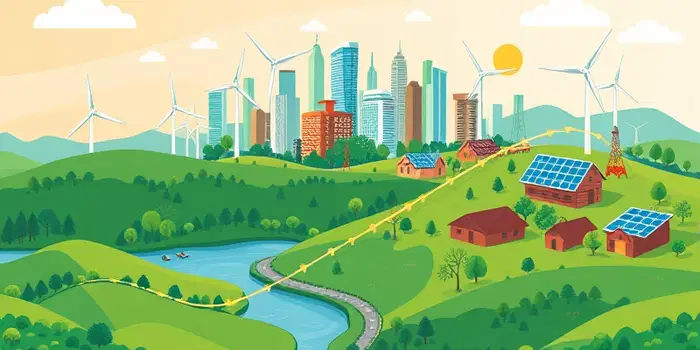
When governments, businesses, and citizens align on climate goals, the result can be a resilient and dynamic economy. Clean-energy sectors already employ millions and continue to grow. Energy-efficient technologies cut costs and boost productivity. Sustainable agriculture and forestry promote biodiversity and food security.
By viewing climate action as an opportunity rather than a burden, societies can harness innovation, safeguard public health, and build infrastructure that stands the test of time. The stakes are high: without deliberate policy, climate change will primarily produce destruction. With coordinated investment and inclusive planning, it can catalyze a new era of resilient and equitable growth.
The choice is ours: persist in harmful feedback loops or direct our economies toward a future where environmental stewardship and prosperity go hand in hand.
References