
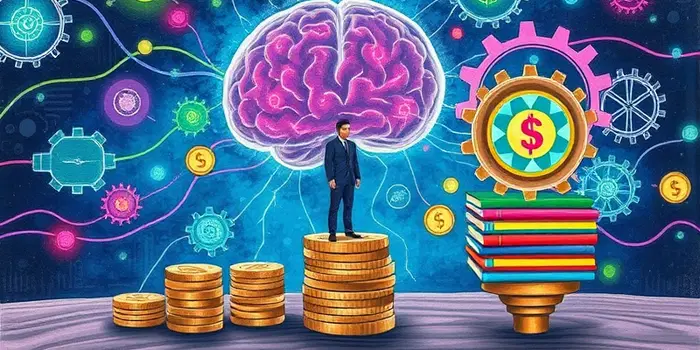
In a world where financial advice often assumes perfect logic and foresight, behavioral economics reminds us that predictable, systematic mistakes in decision-making shape our money habits. Emotions, mental shortcuts, social influences, and how choices are presented all play a role. By understanding these forces, we can design strategies that harness our natural tendencies instead of battling against them.
Classical models view individuals as flawless calculators who compare costs and benefits and maximize long-term utility. Yet real people live with limited information, divided attention, and emotional turbulence. Instead of flawless optimization, our financial choices often reflect conflicting short-term and long-term goals under pressure.
Behavioral economics bridges this gap by studying actual behavior: how people make and often mismake financial decisions in everyday life.
Developed by Daniel Kahneman and Amos Tversky, prospect theory reveals that people evaluate outcomes relative to a reference point rather than final wealth. This unequal emotional weight on losses explains why losing $100 can feel more painful than the pleasure of gaining $100.
Key features include:
Reference dependence means an outcome is judged as a gain or loss compared to an expectation—so a smaller-than-expected raise may feel disappointing even if it’s positive.
Loss aversion leads investors to sell winners too soon to lock in gains while holding losers too long, hoping to avoid realizing losses. Consumers, too, resist surcharges far more than they appreciate discounts.
Risk attitudes shift between domains: we become cautious with gains but daring when trying to recoup losses, often fueling dangerous “chasing losses” behaviors.
Richard Thaler’s concept of mental accounting describes how people assign dollars to different “buckets” and apply unique rules to each. Although money is fungible in theory, in practice it is divided into categories like rent, emergency fund, vacation, and fun money.
When designed thoughtfully, mental accounts can foster self-control by making abstract goals concrete and automating savings through separations. Yet they can also create costly contradictions if funds are misallocated.
We disproportionately value immediate rewards over future benefits—a tendency known as present bias. Hyperbolic discounting means today feels very different from tomorrow, but distant future moments feel similar, leading to dynamic inconsistency.
That explains why many plan to save “next month” but keep postponing. Fortunately, we can use commitment devices to lock in better behavior:
Rather than rely on willpower, designing the environment for success makes desired choices the default and difficult ones require extra effort.
Defaults harness inertia: when people face complexity or fatigue, they often stick with the status quo. Automatic enrollment in retirement plans has dramatically increased participation across workplaces because many employees never opt out.
Well-crafted defaults are part of choice architecture: the way options are presented can nudge better outcomes without restricting freedom.
However, defaults aren’t a panacea. Their effectiveness varies by context, population, and whether money is repurposed from other accounts instead of newly saved.
Understanding biases isn’t enough; practical design of habits and environments is key. Try these steps:
By embracing behavioral insights and shaping your financial surroundings, you won’t erase every bias, but you can channel your natural responses toward better outcomes and lasting success.
References